Note
June 8, 2026
2 min read
Designing Loops, Not Just Prompts
By Cristiano Pierry
The next AI productivity leap comes from designing agent loops that can plan, verify, revise, and improve without constant human orchestration.
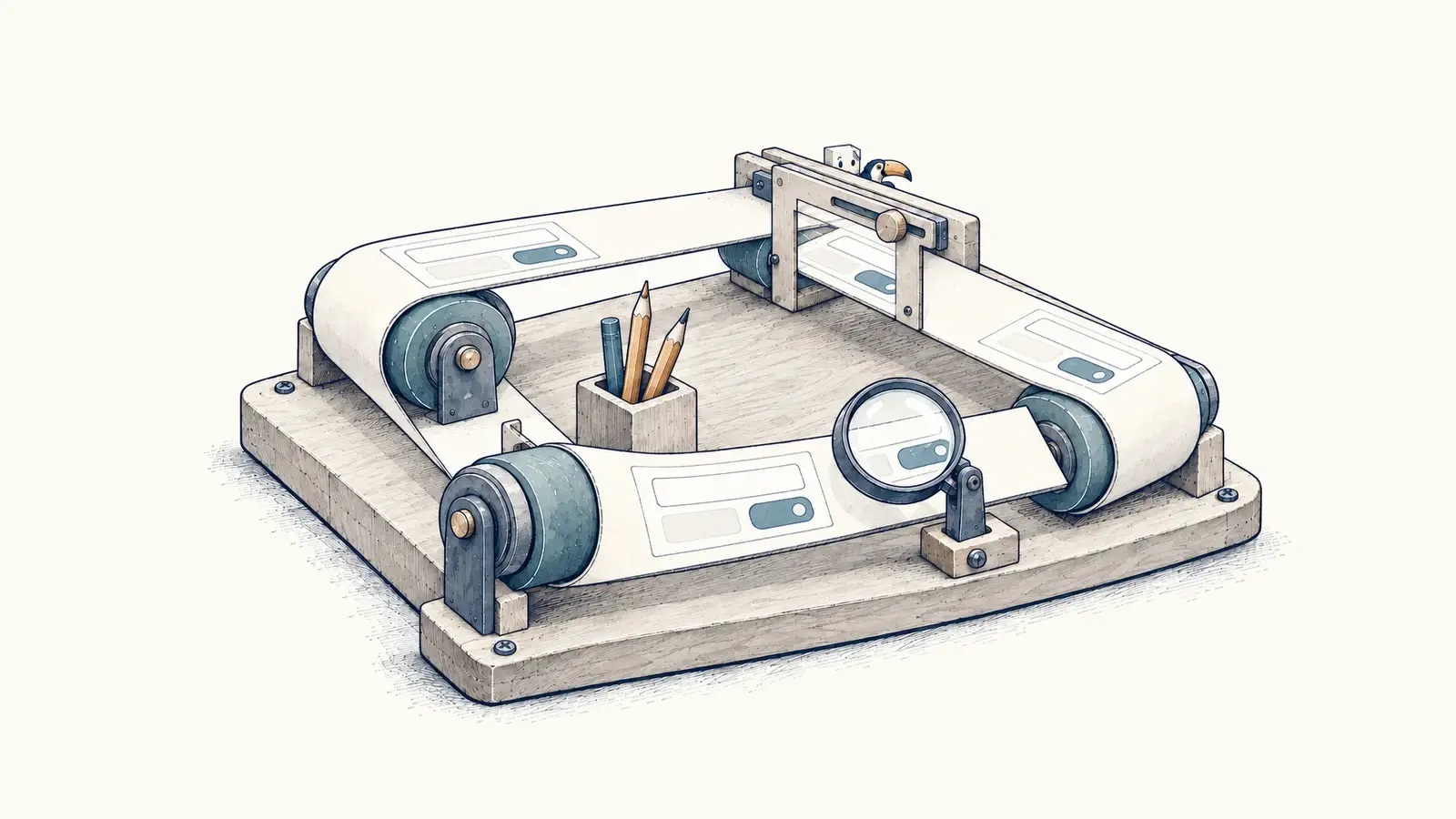
Peter Steinberger recently shared a line that crystallized something I have been thinking about:
“You shouldn’t be prompting coding agents anymore. You should be designing loops that prompt your agents.”
The first phase of working with LLMs centered on prompts: how to ask the right question, provide enough context, and structure an instruction so the model returned something useful.
The work has expanded beyond that interaction. We now use tool calls, retrieval, code execution, evaluations, and multiple specialized agents. The model is becoming one component inside a broader system.
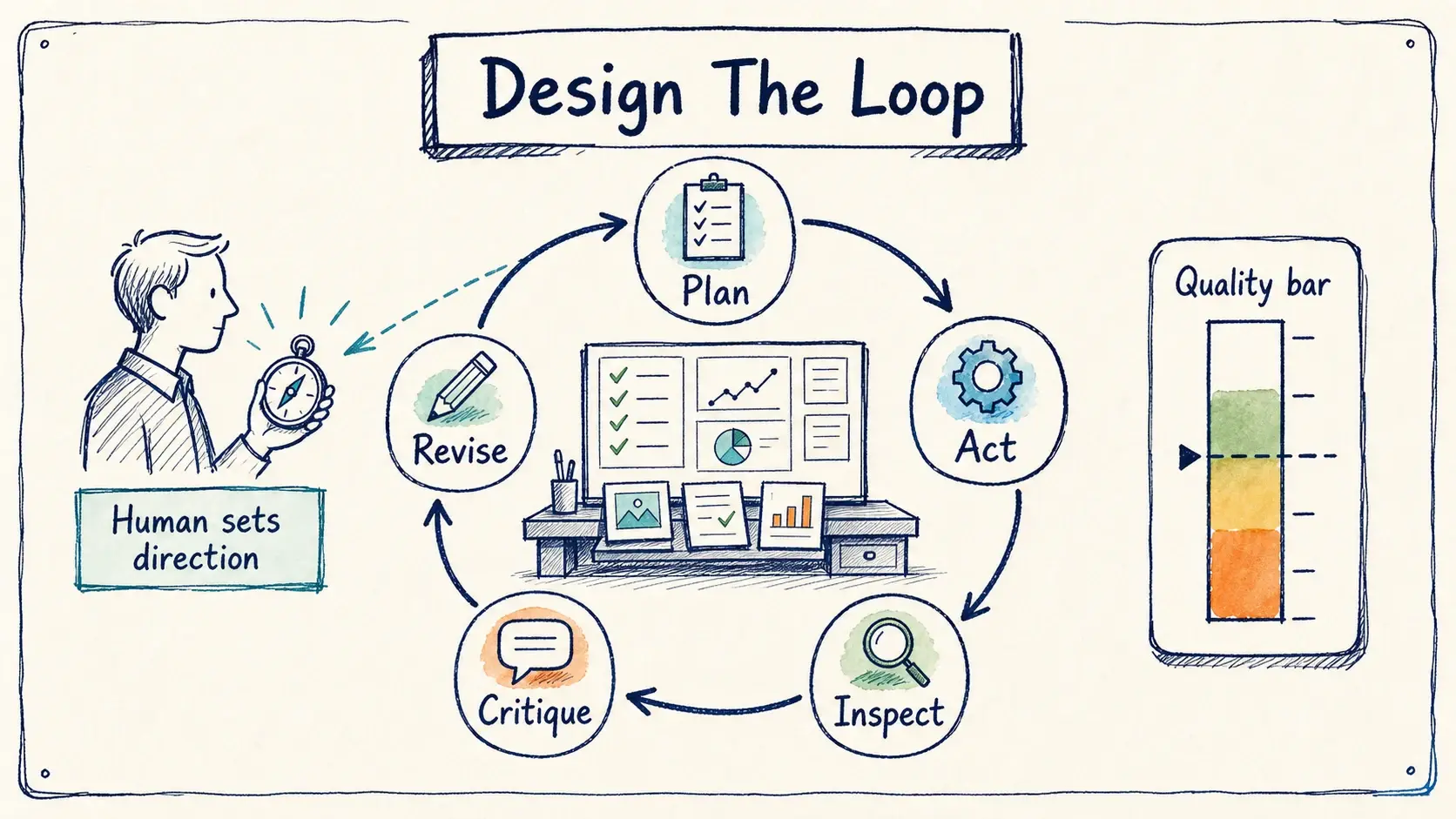
A well-designed loop can plan, act, inspect, critique, revise, and continue. It can test its own work, identify gaps, route a task to a specialist, request missing context, and compare the result with an explicit standard.
I am not yet where I want to be with this.
LLMs already help me with analysis, coding, writing, synthesis, brainstorming, and structured thinking. I have also improved at decomposing larger tasks across agents and subagents. But I still remain in the critical path more often than I would like.
I decide the next step, inspect the output, write the revision prompt, and move the work forward. That can be productive. It also makes me the orchestration layer.
The questions I need to get better at answering are more systemic:
- What progress can the loop make without constant intervention?
- Where do critique, verification, and evaluation belong?
- What goals, constraints, context, and stopping conditions keep it aligned?
- When should the system stop and ask for human judgment?
This is my learning goal for June and July. I want to move from prompting every step toward designing the system, defining its quality bar, and deciding where human intervention genuinely adds value.
The shift is practical: spend less time carrying the work from prompt to prompt, and more time designing a loop that can show its evidence and improve its own next step.
This writing reflects my personal perspectives on product management, AI, and content discovery. It does not represent the official position of my employer or any affiliated organization.