Note
April 6, 2026
2 min read
Jumped On The Vibe Coding Bandwagon
By Cristiano Pierry
Building the same tic-tac-toe game across four AI tools showed how quickly prompting creates software and how much testing the result still needs.
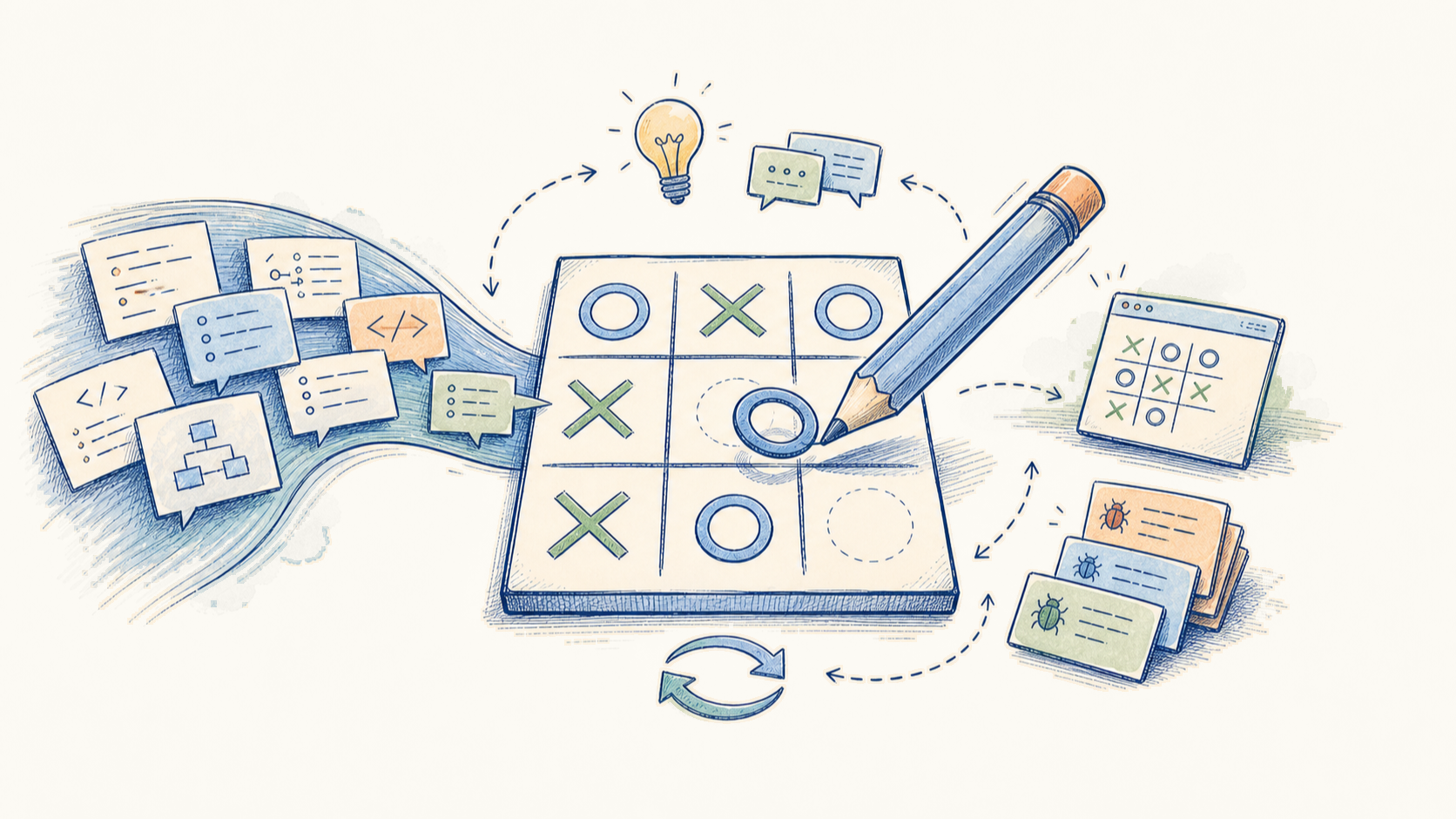
I jumped on the vibe coding bandwagon with my usual project for learning a new programming approach: a tic-tac-toe game.
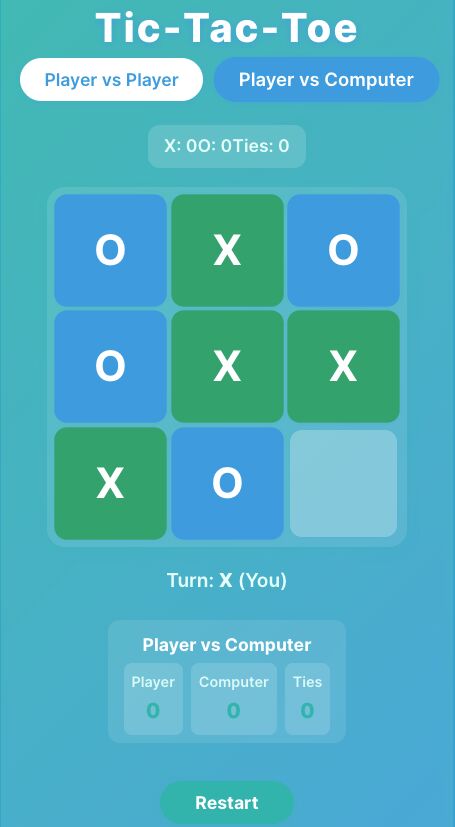
I built player-versus-player and player-versus-computer modes entirely through prompting. I tested the same build across Claude, Cursor, Google AI Studio, and Lovable.dev to compare how each tool handled the work.
In this experiment, Lovable and Claude were easier to approach without a traditional coding background, while Cursor offered a richer development environment. None of them got the game logic right on the first try. Every version needed multiple debugging rounds, especially around move selection and strategic variety. The systems defaulted to the same opening moves until I explicitly asked for randomness without sacrificing optimal play.
A typical exchange looked like this:
Me: "The AI isn't making optimal moves. Prioritize winning opportunities and maximize victory chances."
AI: "Found issues in the minimax implementation. Fixing now."
Me: "Still missing winning paths."
AI: "You're right—terminal state evaluation is flawed. Rewriting the logic..."
My initial prompts were not precise enough, but prompting was only part of the problem. The tools also needed tests that could reveal when a confident implementation was still making the wrong move.
These tools are powerful, not magical.
The faster they make it to build the game, the more important it becomes to inspect the behavior rather than accept the first working screen.
This writing reflects my personal perspectives on product management, AI, and content discovery. It does not represent the official position of my employer or any affiliated organization.