Note
May 9, 2026
1 min read
When Discovery Moves From Search to Agents
By Cristiano Pierry
Running several agents in parallel made agent-mediated discovery feel less abstract: software can explore and compare before a person sees the options.
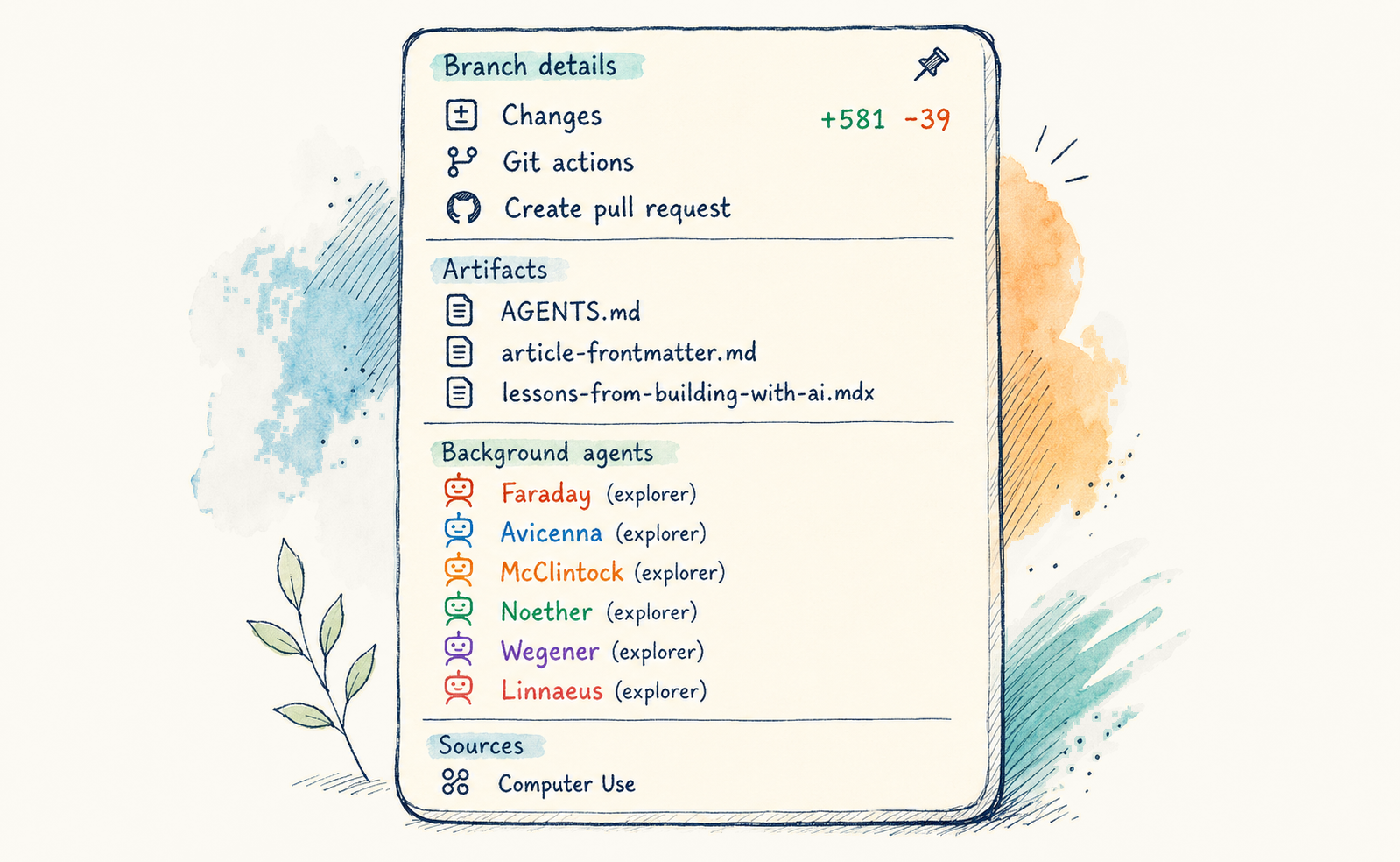
I have been using frontier coding tools to understand what they change about software development and how people may eventually interact with services, apps, and content.
Right now I have six OpenAI Codex subagents working on one project. They are exploring different files, checking assumptions, and helping me think through the structure in parallel. The experience feels like a small research team returning with work I can inspect.
That made an emerging discovery pattern feel more concrete. If agents can explore options, compare them, and filter what they bring back, a person may no longer perform every search manually. Some part of discovery happens before the available choices reach the consumer.
The discovery surface may move from a search box to an agent acting on the person’s behalf.

I do not know how quickly that behavior will become common across consumer products. The question for businesses built on feeds, search, or recommendations is already useful: what information and controls would let an agent represent the service accurately before it presents an option to a person?
This writing reflects my personal perspectives on product management, AI, and content discovery. It does not represent the official position of my employer or any affiliated organization.