Article
June 22, 2026
3 min read
The Modern Wildlife Photography Mindset: Protect the Shutter Speed, Trust the ISO
A sharp, slightly noisy wildlife image usually beats a clean miss; modern cameras make that exposure tradeoff easier to trust.
By Cristiano Pierry
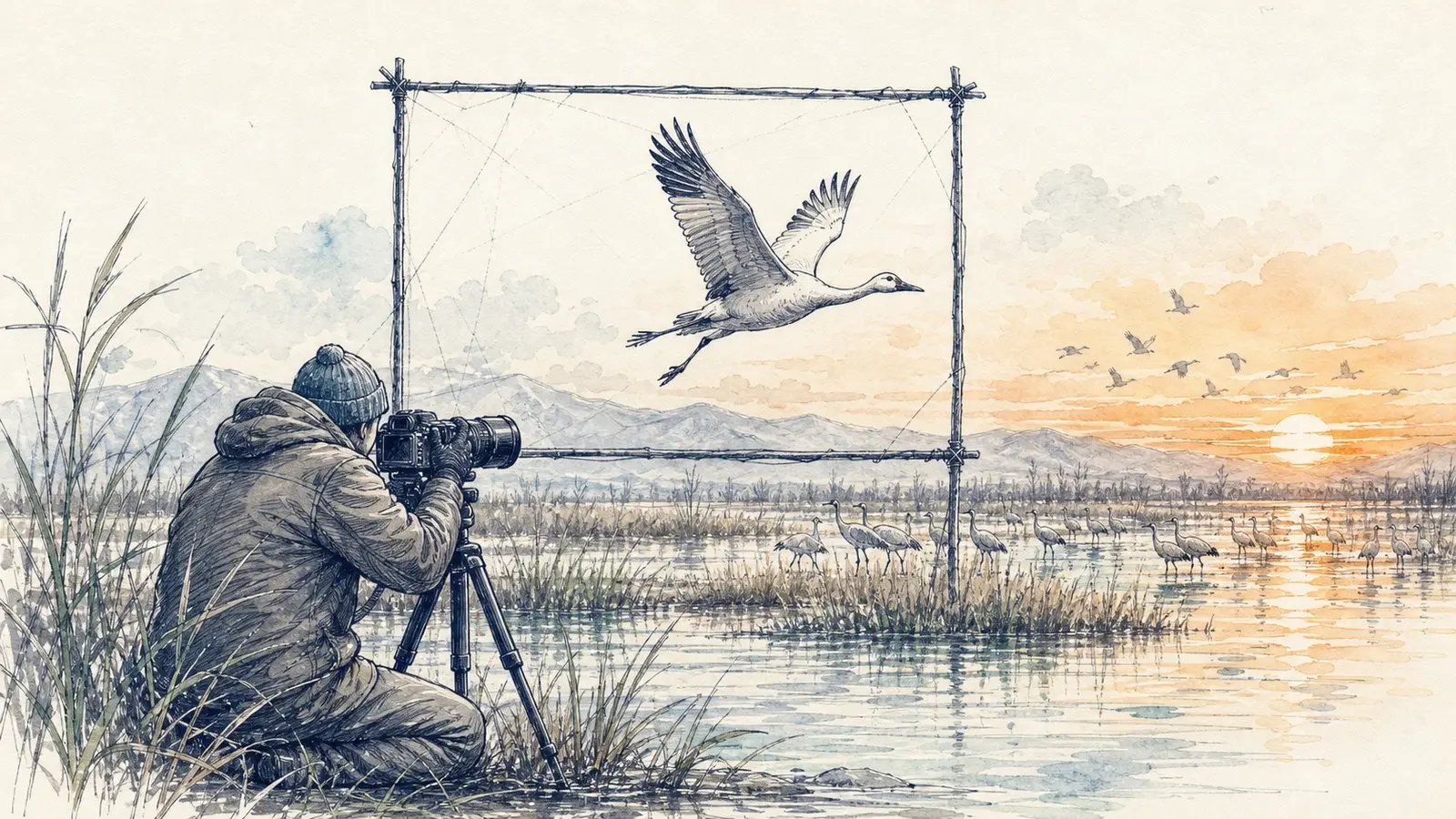
I am coming back to serious photography after roughly two decades away from it. The cameras, sensors, and autofocus systems have changed dramatically, but the deeper adjustment is the mindset they now reward.
When I was last deeply engaged in photography, the dominant mental model was often built around protecting image quality. Keep ISO low. Choose the aperture carefully. Watch the shutter speed, but accept tradeoffs. For a lot of practical shooting, especially before modern digital sensors matured, speeds like 1/125, 1/250, or 1/500 felt like normal working territory.
That world has changed.
Modern mirrorless cameras have transformed what is acceptable, especially in wildlife and animal photography. High ISO performance is dramatically better. Autofocus can now track eyes, birds, animals, and movement patterns that would have been extremely difficult to follow manually. Burst rates are faster. Pre-capture can preserve moments that would otherwise be missed. Noise reduction software is better. The entire capture pipeline has shifted.
As a result, I am relearning the order of operations: make sure the image is sharp, then manage the noise.
In wildlife photography, a clean blurry image is usually a failed image. A slightly noisy sharp image can still be a great one. That is why so much modern field practice now starts with shutter speed. For perched birds or still animals, slower speeds can still work. But for birds in flight, running animals, wing movement, splashes, takeoffs, landings, and sudden gestures, photographers are routinely working at 1/1000, 1/2000, 1/3200, or even faster.
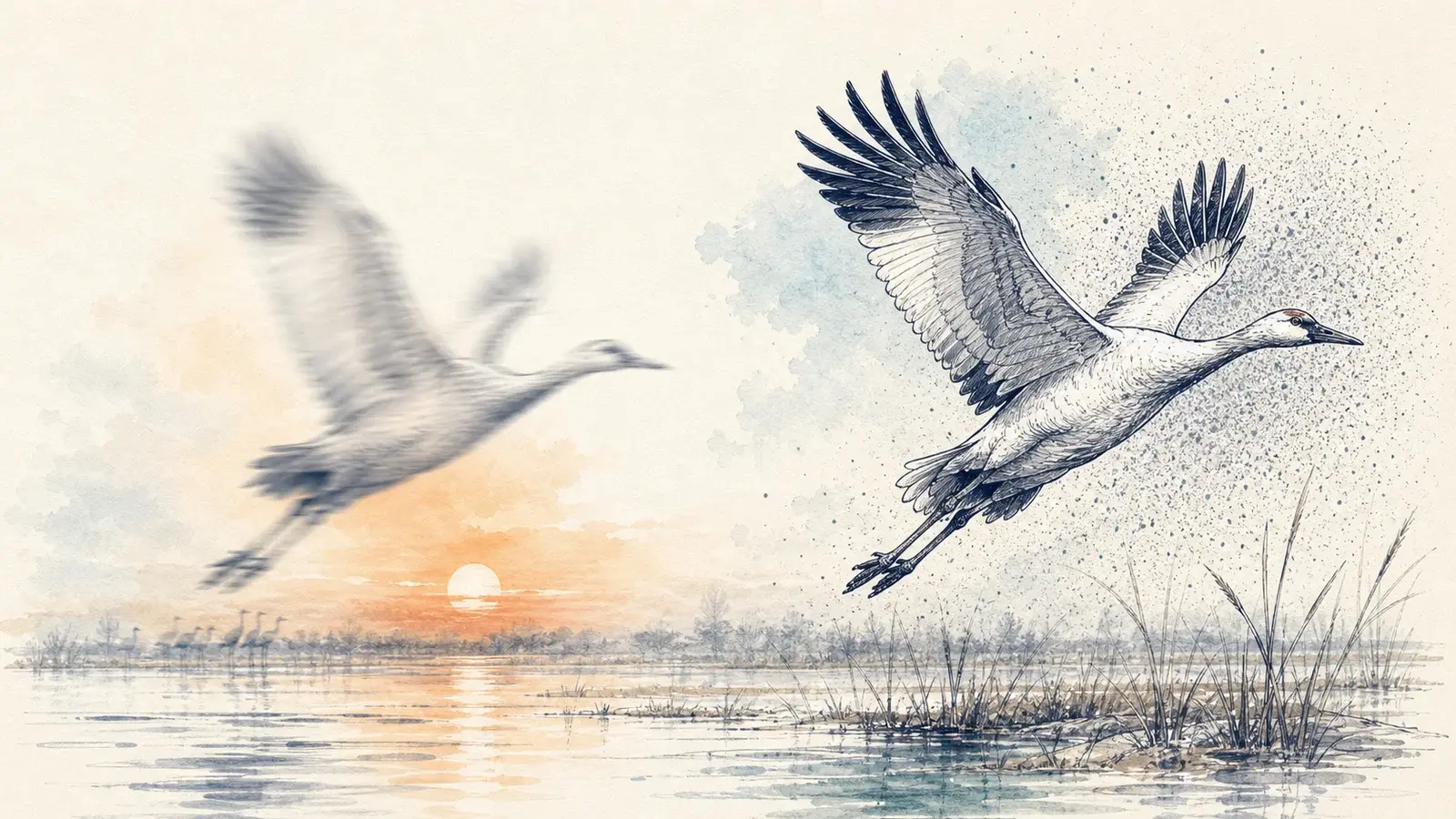
Twenty-five years ago, that kind of shutter-speed-first approach often meant unacceptable ISO compromises. Today, it is frequently the right tradeoff.
This is especially relevant as I build out my Bosque del Apache photography project. Snow geese lifting off at sunrise, sandhill cranes landing in low light, birds moving across reflective water, wings cutting through cold morning air: Bosque is a concentrated test of modern wildlife technique. These are action moments, not static landscapes.
And action changes the exposure decision.
The old question was often: “How low can I keep the ISO?”
The modern question is often: “What shutter speed do I need to preserve the moment?”
That does not mean aperture priority is obsolete. It is still useful. Aperture still controls depth of field, background separation, lens performance, and subject isolation. In many situations, aperture priority remains the right tool. But for wildlife, especially dynamic wildlife, the modern default has become more shutter-aware and often more shutter-led.
Manual mode with Auto ISO, or Shutter Priority with Auto ISO, reflects this change. The photographer decides what matters most: freeze the bird, preserve the wing position, protect enough depth of field, and let the camera solve the ISO problem within reason.
Not that ISO no longer matters. It does. Higher ISO still reduces dynamic range and increases noise. But the hierarchy has changed. ISO is now more often the flexible variable, not the sacred constraint.
Coming back after 20 years, this is one of the biggest lessons I am having to internalize: modern cameras reward a different kind of confidence. You can push shutter speed higher. You can let ISO rise. You can trust autofocus more. You can shoot for the decisive moment with tools that are vastly more capable than what existed when I stepped away.
The technology changed, and the photographic instinct has to change with it. For wildlife, the rule I am carrying into the field is simple:
Protect the moment first. Clean it up later if you have to.
Because sharp, alive, slightly noisy is almost always better than clean, quiet, and missed.
This writing reflects my personal perspectives on product management, AI, and content discovery. It does not represent the official position of my employer or any affiliated organization.