Article
July 3, 2026
6 min read
Fit for Purpose: Choosing the Right Quality Bar
Teams move faster when precision serves the user experience, not internal certainty, and good enough means fit for purpose.
By Cristiano Pierry
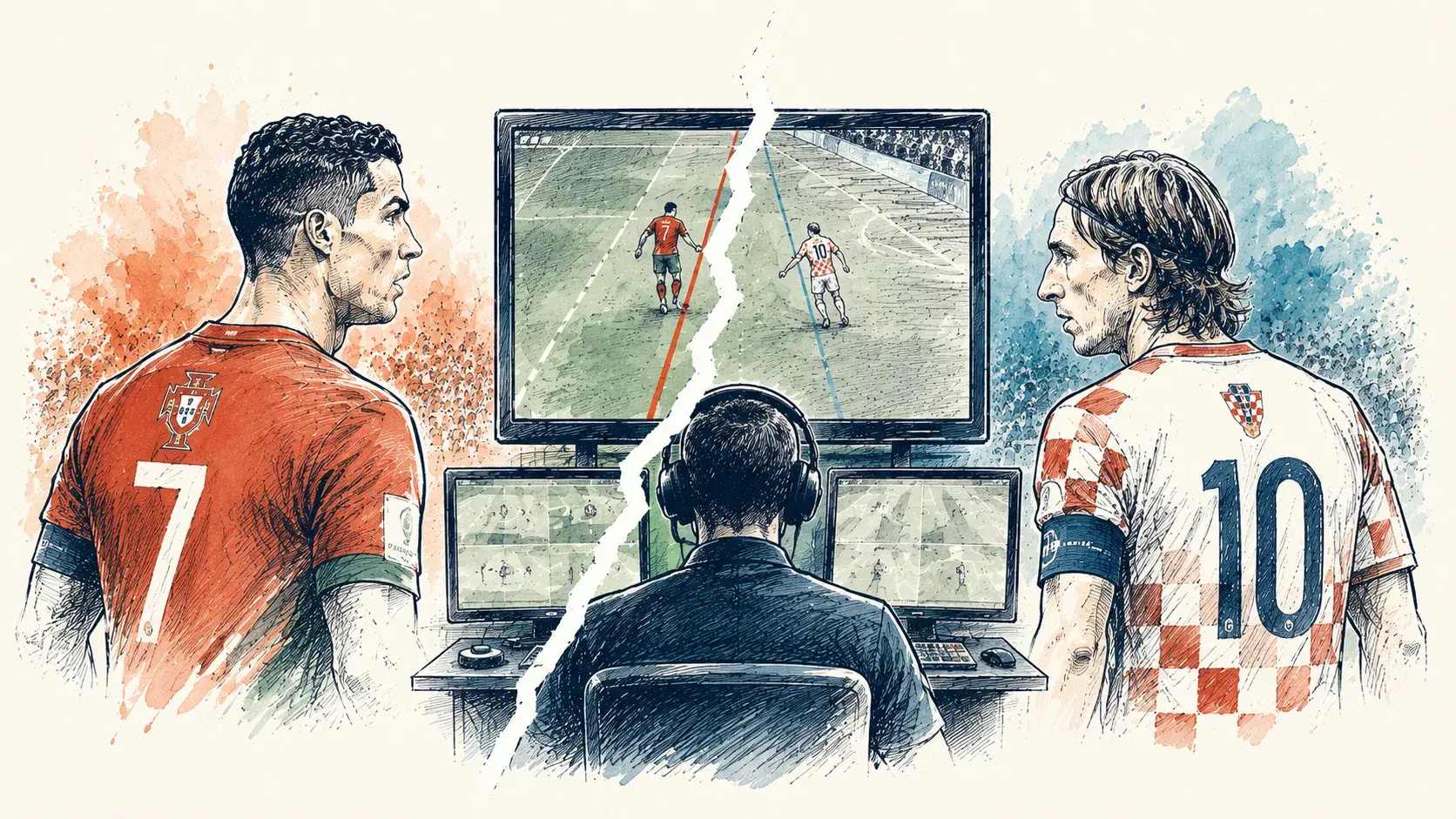
The Replay Won. The Game Lost.
The idea behind VAR is hard to argue with. Use technology to help referees get the big decisions right. Prevent a missed offside call from deciding a match. Catch the obvious red card the referee did not see. Make the game fairer.
In theory, who would argue against that? In practice, the pursuit of precision has changed the experience.
We are seeing goals invalidated because someone was offside by a toenail. We are seeing physical plays slowed down frame by frame until they look far more malicious than they did in real time. We are seeing tiny touches on the ball, invisible to almost everyone in the stadium, become decisive moments that erase goals and change matches.
The calls may be technically correct. But soccer was not designed to be interpreted under a microscope. It was designed to be played, refereed, watched, felt, and understood in real time.
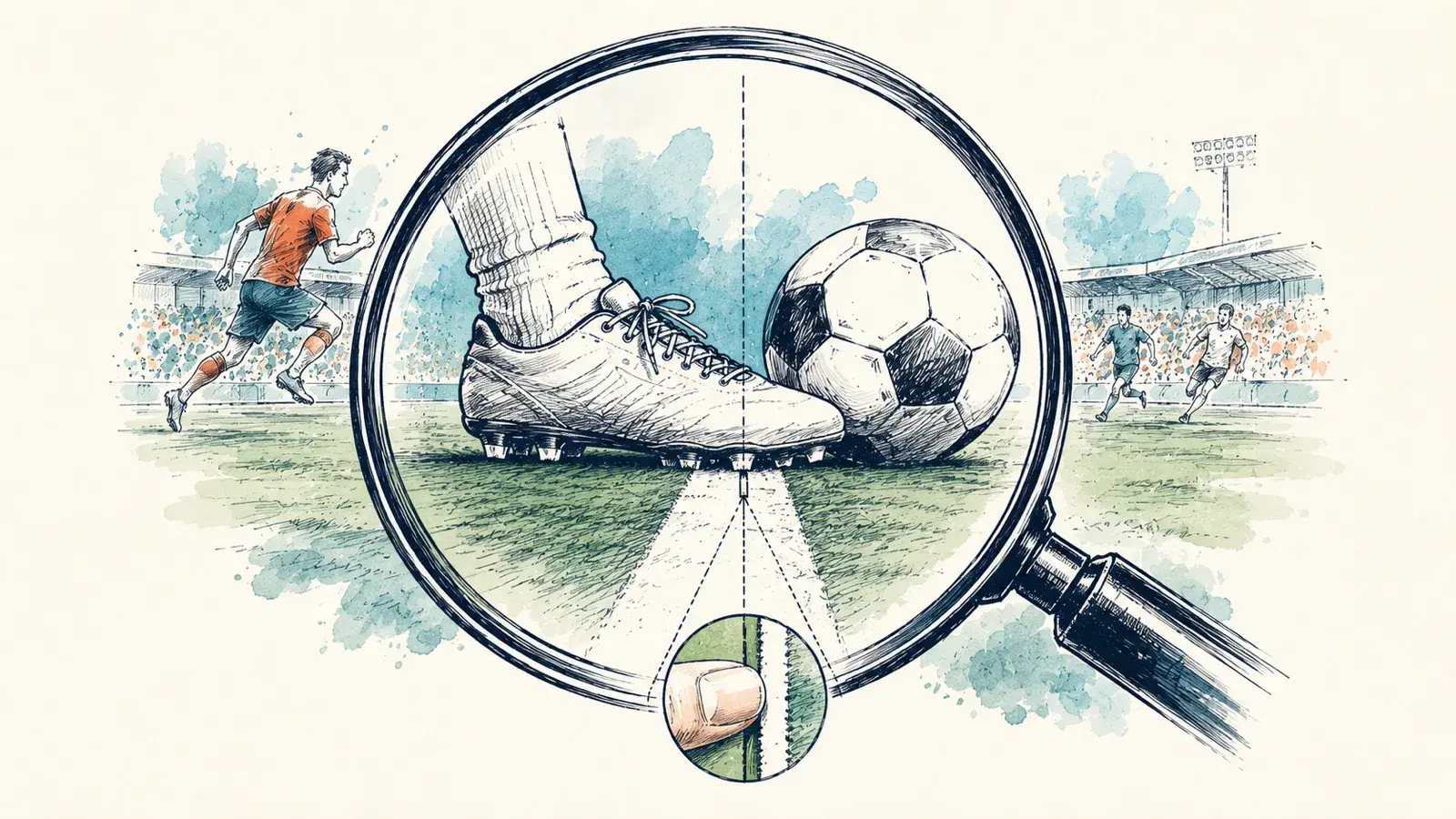
A referee can miss something. A crowd can disagree with a call. That has always been part of the game. But when a decision depends on a level of precision no player, referee, or fan could reasonably perceive in the moment, the experience changes.
The game stops, the crowd waits, and players hesitate before celebrating. The spontaneous joy of a goal becomes provisional, pending review.
And eventually people start asking, "Is this still making the game better?"
The same pattern appears in software engineering, product development, and AI—anywhere we are tempted to believe that more precision automatically creates a better outcome. A system can be technically right and experientially wrong.
I have seen this pattern in product teams many times. A customer problem is clear. The market window is open. The hypothesis is ready to test. The team has enough to learn something real.
But instead of launching, the team keeps refining.
- The architecture could be cleaner.
- The edge cases could be better handled.
- The model could be slightly more accurate.
- The user interface could be more polished.
- The analytics could be more complete.
All of those things may be true. Some of them may be important. But the question is not whether the product can be improved. Of course it can.
The question is whether the pursuit of improvement is preventing the team from learning what actually matters.
That is where perfection becomes dangerous. Quality matters. Reliability matters. Trust matters. Craft matters.
But perfection is often a proxy for certainty. And certainty is expensive. In fast-moving markets, it can be unaffordable.
The longer we wait to put something real in front of users, the longer we operate on assumptions. The longer we debate internally, the more we optimize for the opinions in the room instead of the behavior in the market.
At some point, additional precision stops reducing risk. It starts missing the moment, solving yesterday's problem perfectly, or producing something elegant and complete too late to matter.
That is why "good enough" is so often misunderstood. Good enough does not mean sloppy. It does not mean careless. It does not mean ignoring security, reliability, or user trust.
Good enough means fit for purpose. It means the product is strong enough to deliver value, safe enough to earn trust, and clear enough to teach us what to do next.
It means we are not confusing completeness with usefulness.
This matters even more in AI, personalization, search, and recommendation systems, because these systems invite us into precision. Offline metrics improve. Ranking quality inches up. A model performs better in evaluation. An edge case gets handled more elegantly.
But the user does not experience a metric. They experience a moment: whether they found what they wanted, whether the system felt fast, whether the recommendation made sense, and whether the product helped them decide. A technically sophisticated system can still feel emotionally tone-deaf.
That is the software equivalent of VAR:
A system that can explain why it made the decision, but cannot explain why the decision made the experience worse.
The best teams I have worked with treat speed and quality as design constraints and ask what level of quality this particular decision requires.
Some decisions deserve extraordinary precision. Payments. Privacy. Safety. Compliance. Infrastructure stability. These are places where the cost of being wrong is high and the user expectation is unforgiving.
Other decisions require speed, learning, and iteration. New product surfaces. Discovery experiences. Customer workflows. Ranking experiments. Internal tools. Early market tests.
Applying the same standard of perfection to every decision slows teams down, bloats roadmaps, and lets opportunities disappear.
In soccer, not every contact is a red card. Not every millimeter should define the spirit of attacking play. Not every technically detectable event deserves to become the center of the match.
In software, not every imperfection should block a release. A low-risk edge case should not automatically delay a reversible, instrumented learning release, while security, privacy, safety, and reliability concerns deserve a different standard.
The point is to apply the right standard at the right time.
Technology should make the experience better. Process should help teams move with clarity. Precision should serve the outcome.
When precision becomes the outcome, we lose the plot.
That is what VAR is reminding us in real time.
The purpose of the system was to protect the game from obvious injustice. But when the system starts interrupting the rhythm, diminishing the emotion, and producing decisions that feel disconnected from what everyone just saw, it raises a deeper question:
Are we optimizing for correctness, or are we optimizing for the experience the system exists to serve?
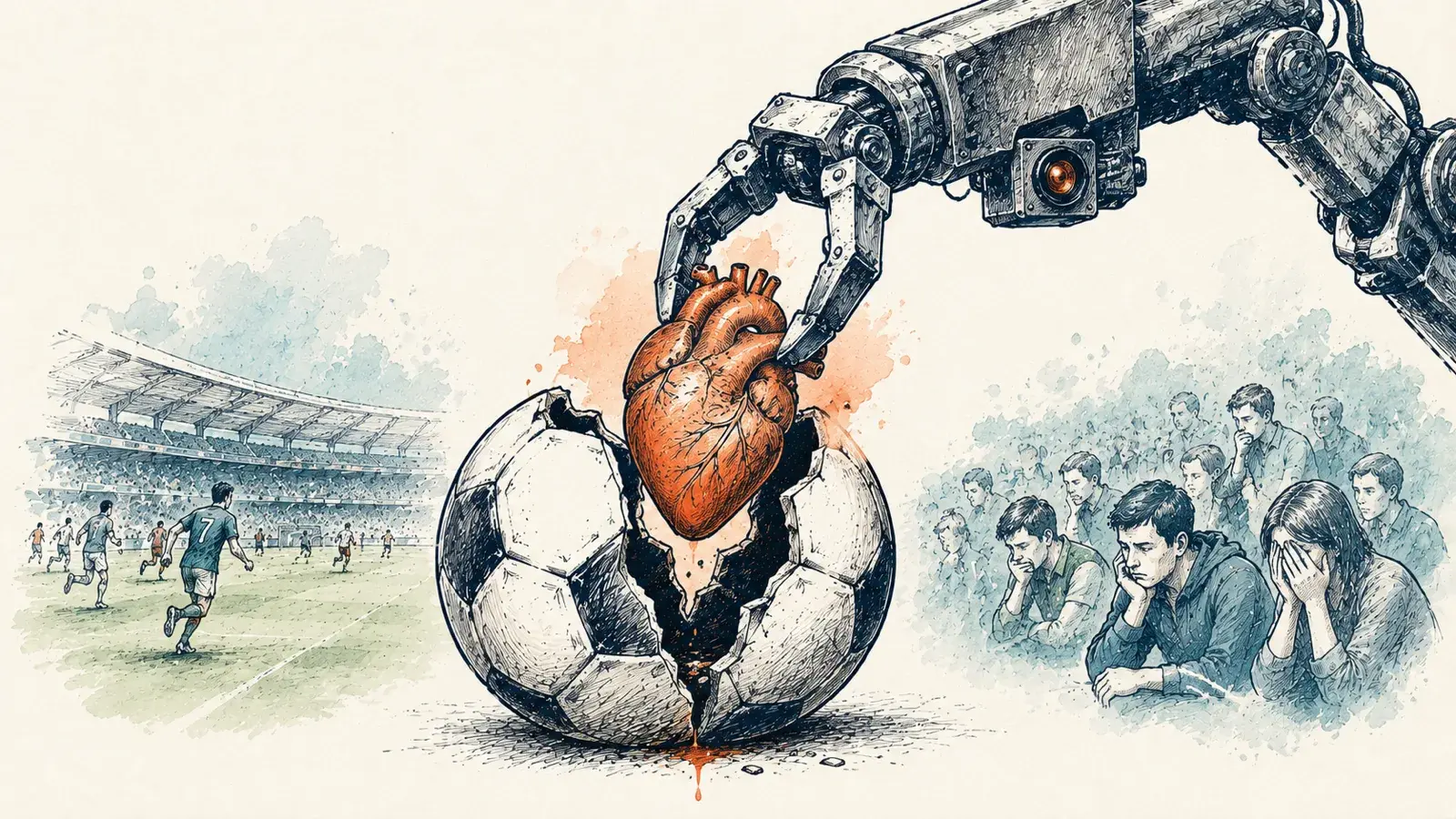
Software teams should ask the same question more often.
- Are we building the perfect version, or the version that lets us learn?
- Are we protecting the user, or protecting ourselves from criticism?
- Are we improving the product, or avoiding the discomfort of shipping?
- Are we using precision to create value, or to delay judgment?
There is a point where "technically correct" is not enough. Users reward usefulness, clarity, speed, trust, and products that solve real problems when they need them solved.
Perfection can feel responsible. It can feel disciplined. It can feel like the mature choice.
Sometimes the pursuit of perfection is a signal that the team has not made the risk decision explicit.
The question that moves a team forward is: Is this good enough to create value and teach us what to do next? Watching the World Cup, the lesson is hard to miss:
When we optimize every decision for microscopic correctness, we can damage the very experience we set out to improve.
The right quality bar protects the experience and preserves the ability to learn.
This writing reflects my personal perspectives on product management, AI, and content discovery. It does not represent the official position of my employer or any affiliated organization.