Article
July 30, 2026
7 min read
When the Idea Answers Back
Language compresses a product idea. AI gives high-agency product people more power to build enough of it to explore, learn from its behavior, and discover what the original words left out.
By Cristiano Pierry
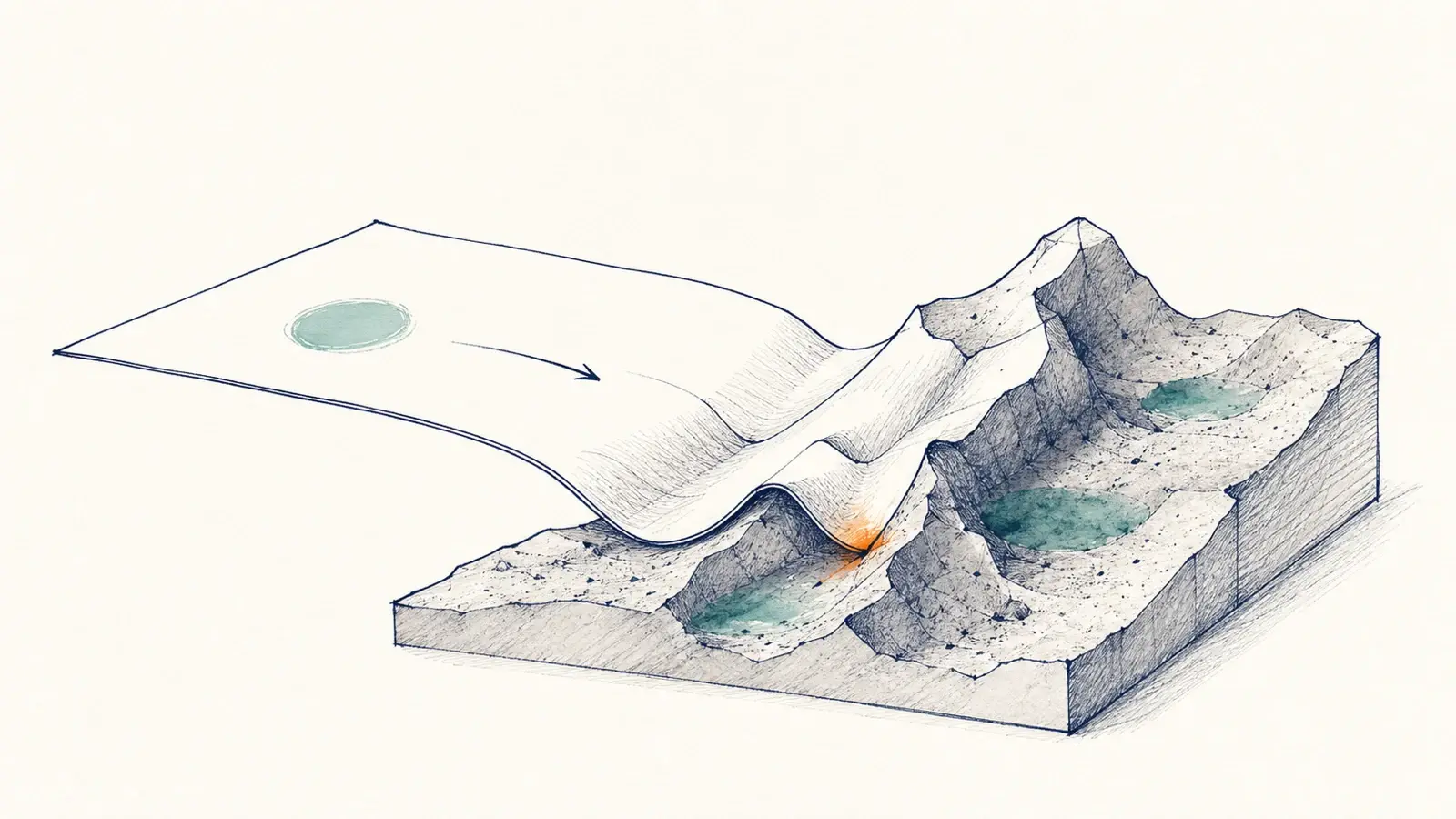
Fei-Fei Li once said, “I still think language is a lossy compression of the world.” She was talking about the difference between language and the richness of a world that exists in three dimensions, changes over time, and responds to what we do inside it.
I keep returning to that observation as a product person. Language is beautiful. It lets one person place an idea inside another person's mind. It is how we frame problems, write product requirements, and organize people around work that does not exist yet. The product idea inside the language is still larger than the language carrying it.
A document can describe what an experience should do. It cannot let you feel the timing of an interaction or discover that a choice that sounded obvious creates confusion once the product is moving. The document contains our current understanding. The product contains consequences.
That compression is not a defect in product requirements. No useful document can contain every state the product may enter or every reaction a customer may have. The problem begins when we mistake the useful reduction for the whole idea and judge the idea's potential by how well it survives the reduction. Some product decisions can be settled on paper. Others only become legible when the product moves.
I saw this while building a 3D Connect-K game with my son Marcelo. We began with a fairly specific description: a web-based game played on a 4x4x4 cube that people could rotate and zoom. That was enough to start, but it was not enough to understand the product.
Once we could play it, the board began teaching us. The 3D view that made the idea interesting also made the game harder to read. We added a layer slider, then a control that spread the layers apart, and eventually a full 2D view. None of those choices came from finding more elegant language for the original brief. They came from being able to enter the idea, experience it, and notice where it resisted us.
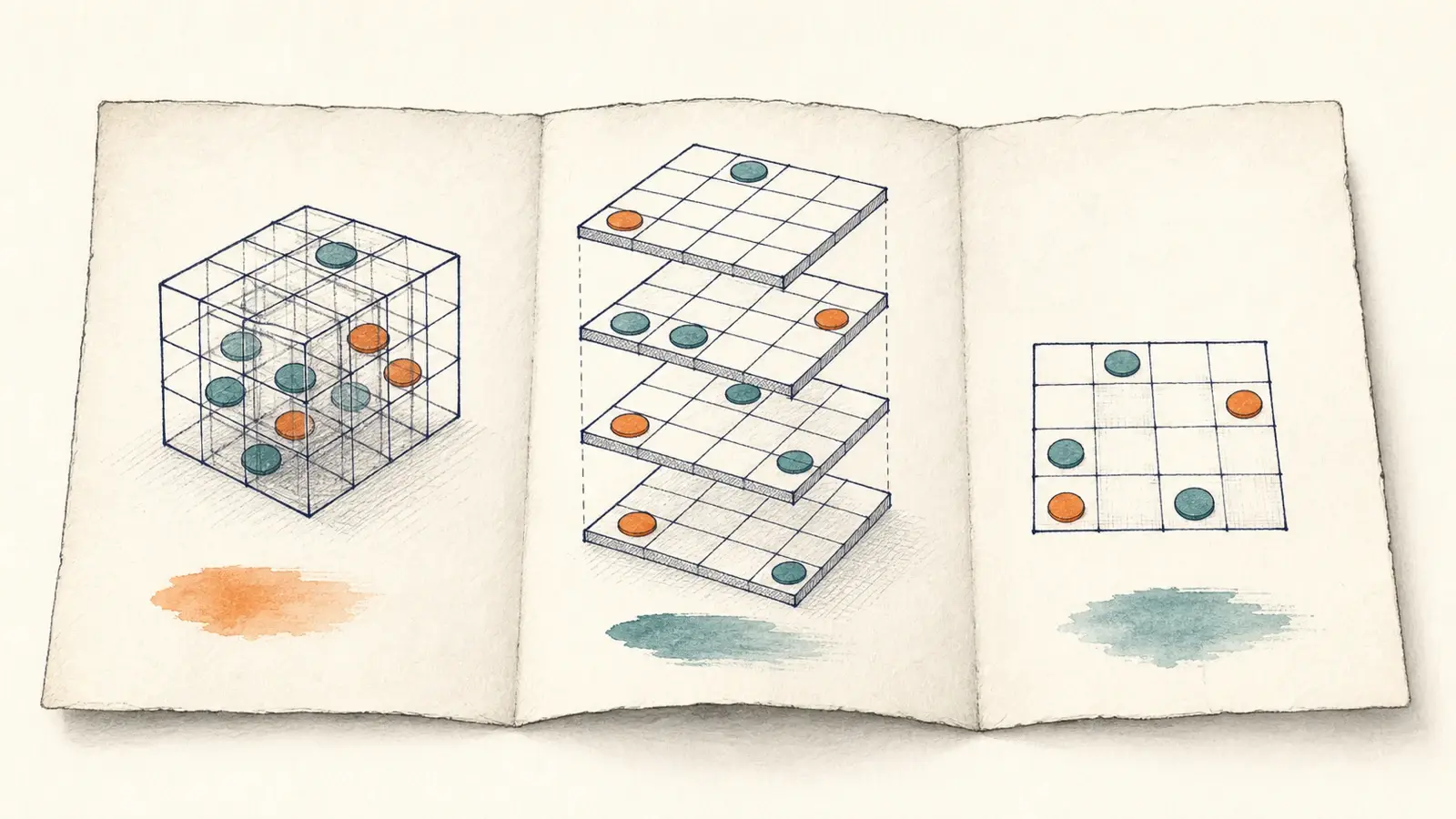
Each working version gave us something language could not: resistance. The board was no longer only an intention. It imposed constraints and exposed tradeoffs. That resistance was useful because the product could now disagree with us.
The product knew something the description did not.
Gaining access to that knowledge is the part of AI that feels most empowering to me. It allows more people to move from describing an idea to exploring it in a form that can respond.
For much of my career, much of my direct material as a product manager was language. We wrote the document, made the case, and reviewed what came back. Strong product work still depends on those skills. The constraint was that an idea often had to pass through several other people's interpretations before the person closest to the original intent could learn from its behavior.
With current AI tools, I can stay with the idea longer. I can move from a product question into a working interaction, change an assumption, and see what happens. I can explore the adjacent question that appears only after the first version works. I can arrive at a conversation with an engineer or designer having learned something from the product itself, not only from thinking harder about how to describe it.
Product people have always sketched, prototyped, built spreadsheets, and used whatever tools were available to make an idea more concrete. AI did not invent that instinct. What changes is the continuity of the exploration. When the question crosses from a flow into working logic, I no longer have to compress it back into a request before I can continue learning. The original curiosity can remain in contact with the evolving product.
High-agency product people have always seen possibilities that nobody assigned and started investigating before the path was complete. AI changes how far that agency can reach. What once might have ended as a note, a product brief, or a request for somebody else's time can continue into working behavior. Curiosity has more room to become action.
That empowerment is not independence from a team. It is having fewer moments when forward motion depends entirely on persuading someone else to reconstruct the same idea from a compressed description. The person can make the unknown visible enough to earn the next conversation. A weak idea becomes easier to release. A strong one gives other people a reason to enter it.
As the idea takes form, the person does not have to protect the first version simply because it now exists. They can let the artifact change their understanding, follow the questions it creates, and remain responsible for where the work goes. The tool gives them reach into parts of product development outside their formal role. It does not make them an expert in every discipline.
That is a meaningful kind of empowerment for product people. We are expected to stay close to customers and evidence. Now we can also get closer to the material of the product. We can touch the behavior we are proposing and let it challenge the confidence with which we proposed it.
The original idea may also prove too small. A working interaction can expose a need that was not legible in the brief. The person with agency can follow that branch because they can create the next piece of evidence themselves. The artifact is not merely a higher-fidelity explanation. It expands what the person is able to imagine next.
I do not think an idea's “true capacity” is a finished form hiding inside the original thought. Its capacity develops through contact between intent and what the artifact makes possible. That is why exploration matters. The version that deserves to continue may be meaningfully different from the idea that first fit inside the sentence.
This is why I am cautious about describing AI only through productivity. Faster execution matters, but speed is not the full experience. The deeper change is that the work can become more ambitious while it is being made. You begin with a compressed statement of intent and discover a larger product space by moving through it.
More possible directions create more responsibility.
Most branches should not survive, and a persuasive prototype can still answer the wrong question. The person moving faster remains accountable for whether the result deserves a customer's trust.
Agency begins before the first prompt, when someone decides the problem is worth pursuing. It shows itself again when the artifact contradicts the plan and the person changes course rather than defending the work they already produced.
The collaboration changes too. A working artifact should not arrive as a verdict. It gives a designer or engineer something specific to challenge. They can see the behavior, expose a weak assumption, and redirect the work before the wrong choices harden. The product manager can protect the intent without pretending the current execution is the answer. The person who initiated the idea carries it farther, while people with deeper craft engage the actual problem sooner.
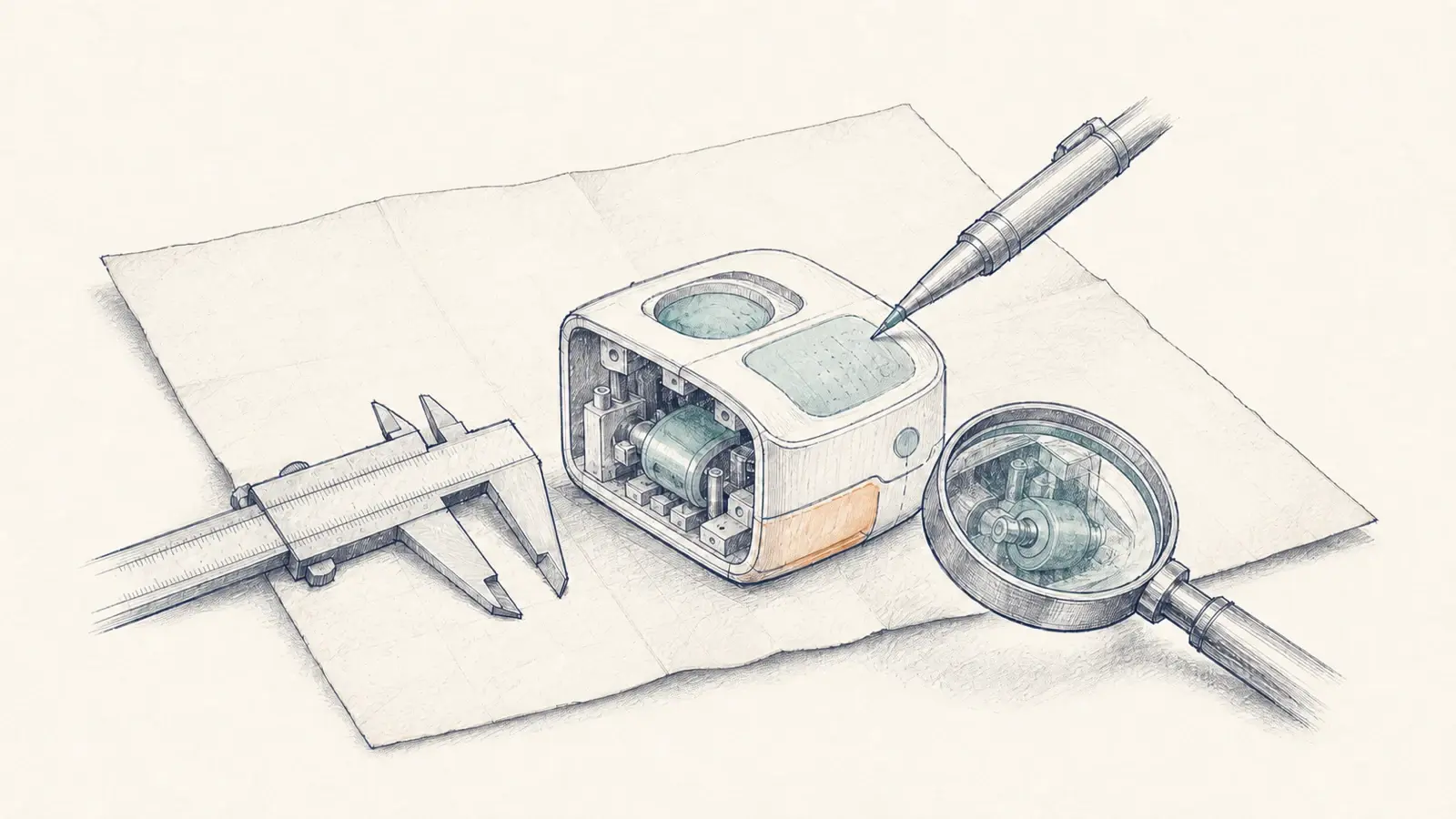
I believe the same principle extends beyond software. A scene whose meaning depends on timing and performance is also compressed by its written description. A rough exploration can help a creative person understand what they are asking a larger team to make. It is not finished work. It is a higher-fidelity question, one that depends less on everyone reconstructing the same world from the same few sentences.
There is a real tension here. An organization can easily turn expanded individual capacity into an expectation that one person absorb several jobs. That would hollow out the empowerment I am describing. High agency should expand what a person is able to pursue, not become a test of how many roles they can carry without support.
I am optimistic because more people can act on an idea while it is still fragile and discover whether it has depth before asking everyone else to believe the description. An ambition that once ended at the boundary between what someone could imagine and what they could make can now travel farther. When specialists join, the conversation can begin with a more developed question.
Language remains the beginning. We will still write briefs and tell stories about products that do not exist yet. Now more of us can build enough of the idea to enter it, move through it, and learn what the original words left out. Once we are inside, the idea can answer back.
This writing reflects my personal perspectives on product management, AI, and content discovery. It does not represent the official position of my employer or any affiliated organization.