From Source Code to User Intent: The Next Software Audit Trail
As software development shifts from hand-coded implementation toward LLM-generated implementation, we need to reconsider which artifacts explain how an application came into existence.
Source code remains the primary record of what engineers review, test, debug, and audit. But generated code does not necessarily explain the human direction behind it. The instructions, corrections, constraints, and commands given to a coding agent capture something the code often cannot: the user's intent.
Source code tells us what was produced. Prompt history can help us understand what was intended.
Imagine an AI-generated application that exposes the wrong data, implements a workflow incorrectly, or optimizes for the wrong business rule. Debugging the code tells us where the behavior lives. It may not tell us how the behavior entered the system.
The prompt history gives us a second set of questions:
- Was the instruction vague?
- Did the user explicitly request the problematic behavior?
- Did the model make an incorrect assumption?
- Did the agent drift while satisfying a broader command?
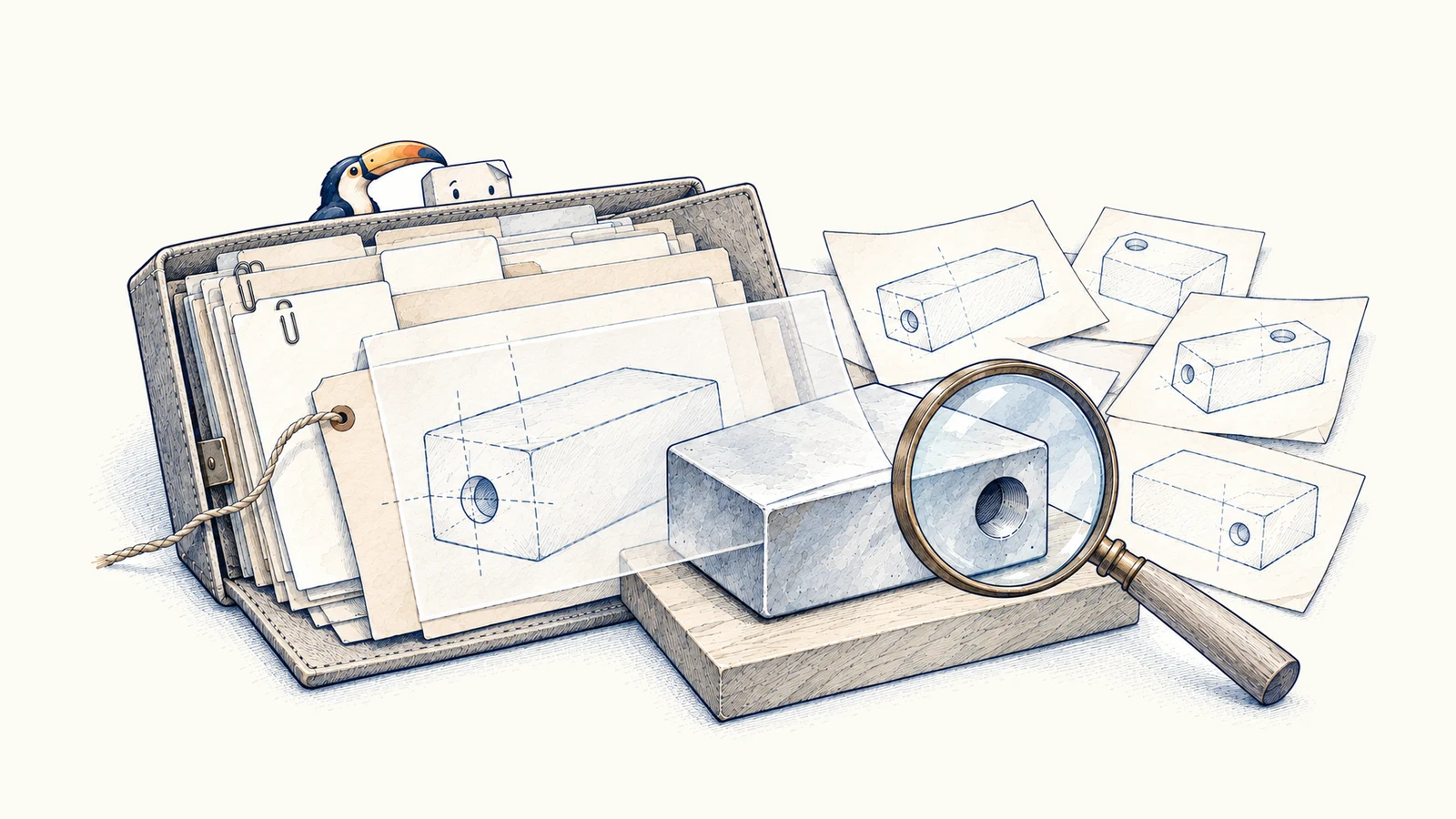
That makes prompts more than casual chat messages. They become part of the design record connecting human intent to machine-generated implementation. In some investigations, that record may be as important as the generated code.
The tooling is not there yet. We need better ways to capture, index, catalog, search, and visualize the messages that shaped an application. In OpenAI Codex, for example, sessions can be revisited, but it is still difficult to organize individual prompts around the code changes they produced. The history exists without being treated as a first-class development artifact.
Git commits and source code will continue to matter. Prompt history adds a different kind of evidence: why a person thought the system should be built that way. That connection will be increasingly useful for governance, debugging, compliance, and accountability.