Note
August 8, 2026
3 min read
My Laptop Has Been Demoted
By Cristiano Pierry
After 34.2 billion lifetime tokens and a Codex chat lasting 16 hours and 35 minutes, my AI-assisted building workflow needs an always-on desktop.
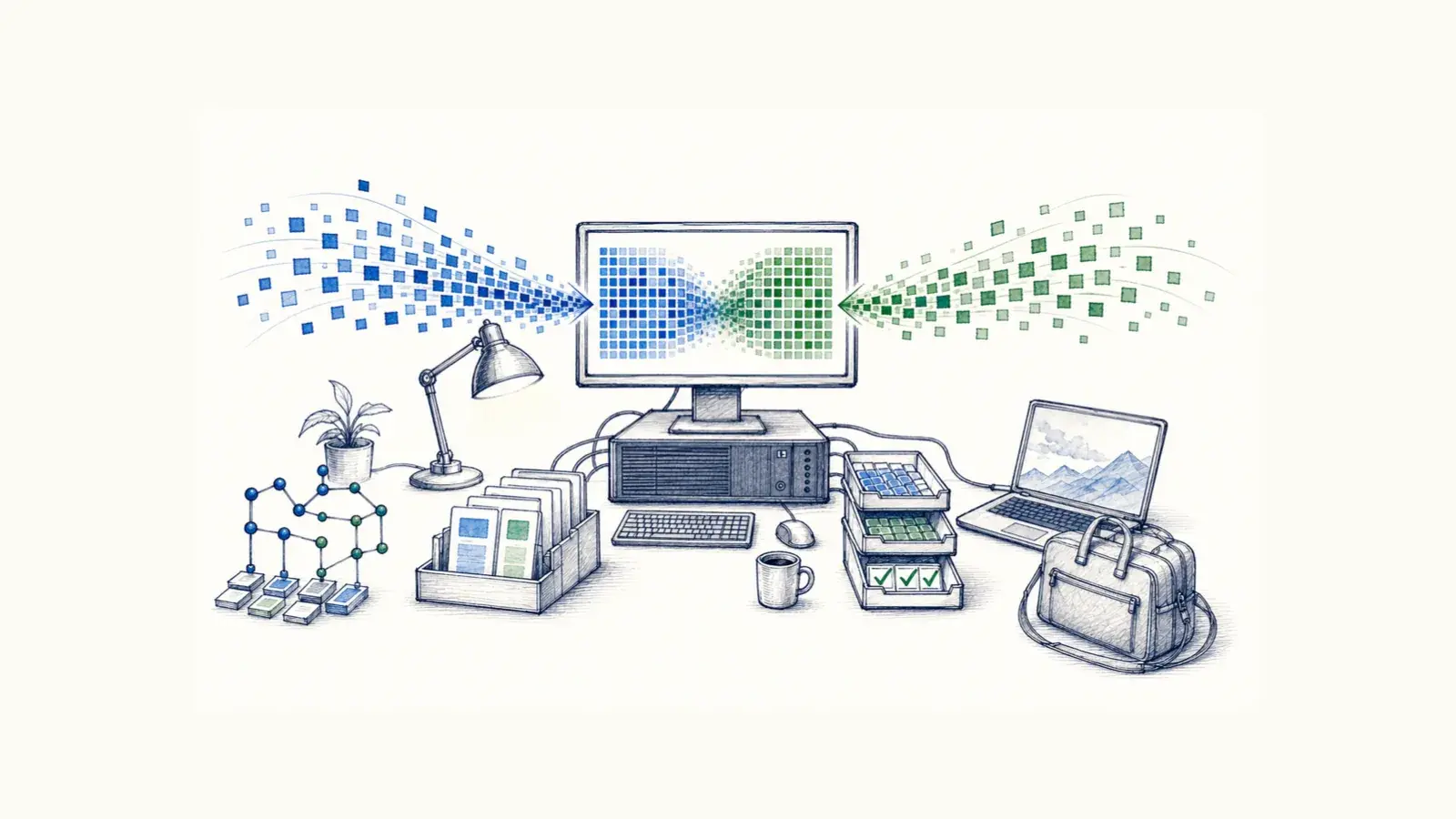
At some point, 34.2 billion lifetime tokens stops looking like a usage statistic and starts looking like a facilities problem.
My Codex profile now says 8,290 chats. The longest ran for 16 hours and 35 minutes. My current streak is 44 days, which is also my longest. The activity graph is almost solid blue from March through August.
This is not a cry for help. At least, not yet. My laptop has been very brave, but 44 straight days of Codex activity have made its limitations hard to ignore.
The frontier models are running elsewhere. The problem is everything that gathers around them when AI becomes part of the real workflow: repositories and worktrees, browser sessions, test runs, local servers, and several jobs waiting at different points for my judgment.
My laptop was designed to move. It was designed to close. It was designed to go to sleep before I had emotionally finished the sentence.
That is a wonderful design for a portable computer. It is a poor operating model for long-running, agentic work.
So I am moving the center of gravity of my workflow to a desktop computer that stays powered and permanently connected.
The appeal of the desktop is almost comically primitive: it stays where I left it, powered, connected, and ready.
The desktop will become the workshop. It can hold the repositories, tools, sessions, and unfinished work in one persistent environment. My laptop becomes the field console I carry to meetings and on trips, useful for review and direction when I am away.
I suppose this is what progress looks like. After twenty years of making computers smaller and more portable, frontier AI has convinced me that I need the one that cannot leave the desk.
Those two activity graphs, side by side, matter to me. The blue one shows how intensely I have been exploring with models. The green one records hands-on work in code. They are activity metrics, not proof that any of the work is good. What I value is the practice underneath them: AI use tied to building.
I want to stay close enough to frontier tools to learn their real constraints, and close enough to the product to decide what deserves to survive them. Talking about AI from a safe distance is easier. Building with it every day exposes the awkward edges: what happens when context is lost, when an agent keeps going, or when the demo works but the experience still does not.
Putting AI front and center means building an environment where the capability can run continuously and human judgment can intervene deliberately. Now I need hardware that matches the operating model.
The laptop is not being fired. It is being reassigned to field work.
The desktop gets the night shift.
This writing reflects my personal perspectives on product management, AI, and content discovery. It does not represent the official position of my employer or any affiliated organization.